The Difference Between Insulation Types and Materials
Understanding the difference between insulation types and materials helps homeowners choose the best options, with local contractors ready to assist in selecting and installing the right solutions.
Understanding the difference between insulation types and materials is an important step for property owners looking to improve energy efficiency and comfort. Whether renovating an existing space or planning a new build, knowing how various insulation options work can help make informed decisions about which materials best suit specific needs. This knowledge not only supports selecting the right insulation for different areas of a property but also ensures that the installation process aligns with the goals of durability and performance. Local contractors specializing in insulation services can provide valuable guidance tailored to the unique characteristics of the property and the local climate.
Exploring the distinctions between insulation types and materials can also lead to practical benefits, such as enhanced energy savings and reduced utility costs over time. Different materials offer varying levels of R-value, moisture resistance, and ease of installation, making it essential to match the right choice to the property's design and environmental factors. Property owners in the area who are considering insulation upgrades or replacements can connect with experienced service providers who understand these nuances and can recommend solutions that meet specific goals. Continuing to learn about these options helps ensure that insulation investments deliver long-term value and comfort.
- Attic Insulation Installation - homeowners considering different insulation types and materials often seek pros to determine the best options for attic spaces.
- Wall Insulation Services - when upgrading or adding insulation to walls, local contractors can help choose suitable materials based on the structure and desired performance.
- Basement Insulation Solutions - those looking to improve basement energy efficiency may need guidance on insulation types that prevent moisture issues and enhance comfort.
- Cavity and Spray Foam Insulation - clients exploring advanced insulation materials for tight spaces or irregular surfaces rely on local service providers for expert installation.
- Industrial and Commercial Insulation - businesses seeking to differentiate insulation options for large-scale projects can connect with local pros experienced in various materials and types.


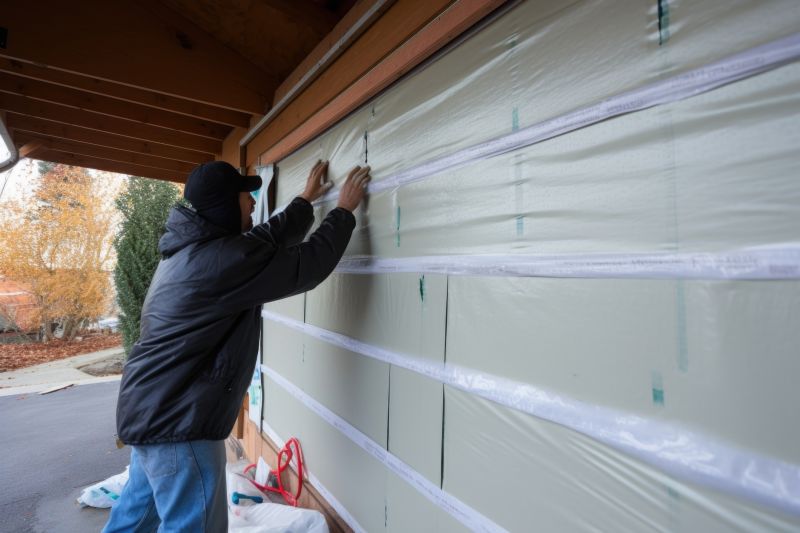
When people search for the difference between insulation types and materials, they are often trying to understand how various options can impact their home’s comfort, energy efficiency, and overall performance. Homeowners typically consider this topic when planning upgrades or renovations, especially if they want to improve insulation in attics, walls, or floors. The choice of insulation can influence temperature regulation, moisture control, and noise reduction. Knowing the distinctions helps homeowners make informed decisions about which materials and types will best suit their property’s specific needs, whether for a new build or a retrofit.
This topic is closely related to common property concerns such as drafty rooms, rising energy bills, and uneven temperatures across different areas of a home. Many homeowners are also interested in understanding how different insulation materials perform in various climates or within specific building structures. For example, some properties may require insulation that resists moisture or pests, while others benefit from materials with higher R-values for better thermal resistance. Local service providers who specialize in insulation can assess these needs and recommend suitable types and materials that align with the homeowner’s goals and the property’s characteristics.
Properties that typically come up in discussions about insulation types and materials include residential homes, especially attics, basements, and exterior walls. Older houses often require upgrades to improve energy efficiency, while new construction projects might need guidance on choosing the most effective insulation options from the start. Commercial buildings, multi-family units, and even certain specialty properties like garages or outbuildings may also require tailored insulation solutions. Understanding the differences between the available types and materials helps homeowners and property managers select the best options for their specific property, ensuring long-term comfort and performance.
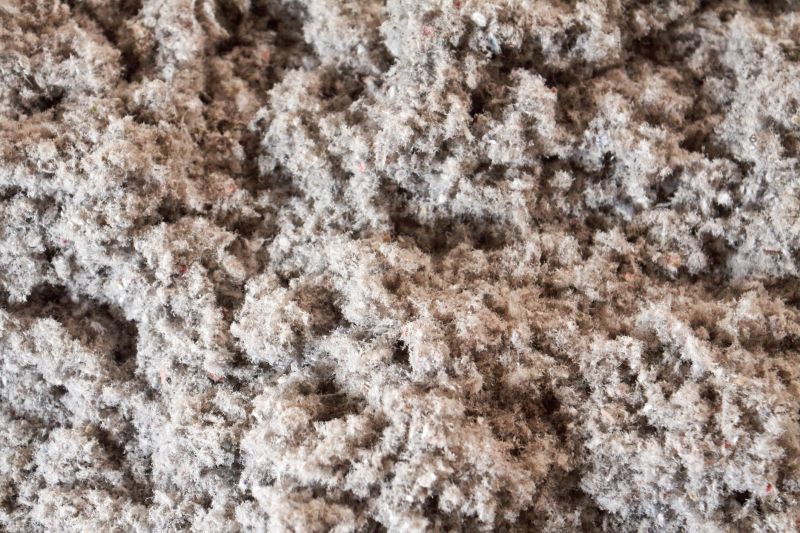
Local contractors who specialize in insulation services play a vital role in helping homeowners navigate these choices. They can evaluate the unique features of a property, such as its size, layout, and exposure, and recommend insulation types and materials that match those conditions. Whether it’s fiberglass batts, spray foam, cellulose, or rigid foam boards, each material has its advantages and considerations depending on the project. Connecting with experienced service providers ensures that the insulation work is properly installed, maximizing its benefits. This expert guidance simplifies the process and helps homeowners make confident decisions tailored to their property’s needs.
Attic insulation projects - these involve selecting appropriate insulation materials and installation methods, similar to understanding the differences between insulation types and materials.
Basement sealing and insulation - planning and installing effective insulation requires knowledge of various materials and their suitability for moisture-prone areas.
Wall cavity insulation - choosing the right insulation type involves understanding the properties of different materials to improve energy efficiency.
Duct insulation and sealing - these projects require familiarity with insulation materials that prevent heat loss and improve system performance.
Soundproofing in walls and ceilings - selecting insulation materials with specific sound absorption qualities parallels understanding the differences in insulation types.
Roofing and attic ventilation projects - planning these involves knowledge of insulation materials that regulate temperature and airflow effectively.
When evaluating service providers to help understand the difference between insulation types and materials, it’s important to consider their experience with similar projects. Contractors who have worked on a variety of insulation installations or upgrades are more likely to be familiar with the nuances of different materials and how they perform in specific settings. This practical knowledge can lead to more informed recommendations tailored to the homeowner’s needs, ensuring that the chosen insulation type aligns with the structure’s requirements and the homeowner’s goals.
Clear, written expectations are essential when comparing local contractors for insulation services. A reputable service provider will clearly outline the scope of work, the types of materials they recommend, and the reasoning behind those choices. This transparency helps homeowners understand what to expect, avoid surprises, and make well-informed decisions. Well-documented plans also serve as a useful reference throughout the project, ensuring that everyone involved has a shared understanding of the work to be done.
Good communication and reputable references are key factors when selecting local contractors for insulation projects. Contractors who are transparent and responsive during the initial consultation tend to be more reliable and easier to work with throughout the process. Additionally, seeking out references or reviews from previous clients can provide insight into the contractor’s ability to deliver quality work and their familiarity with different insulation materials. These steps help ensure that the chosen service provider is capable of effectively explaining the differences between insulation types and materials, and can help translate that knowledge into a successful project outcome.
Property owners often search for the difference between insulation types and materials when they are planning practical projects around their homes and businesses. Local pros provide Insulation Types and Materials services for everyday jobs and straightforward project options.
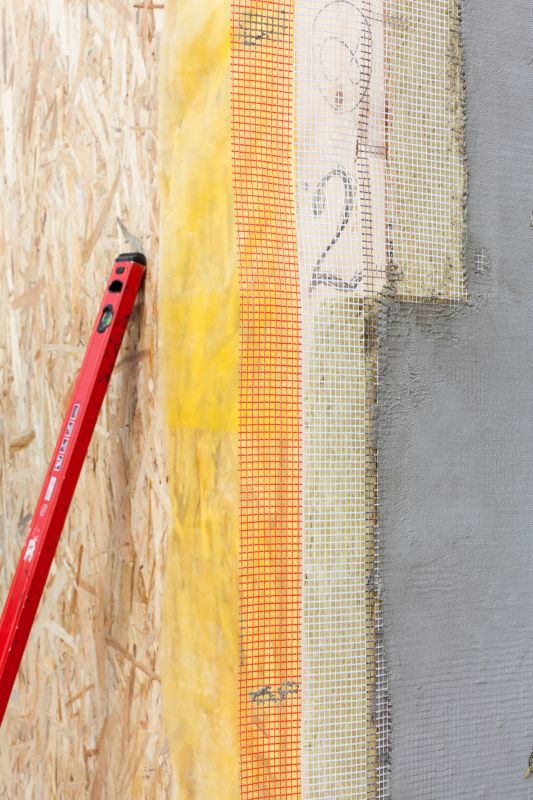
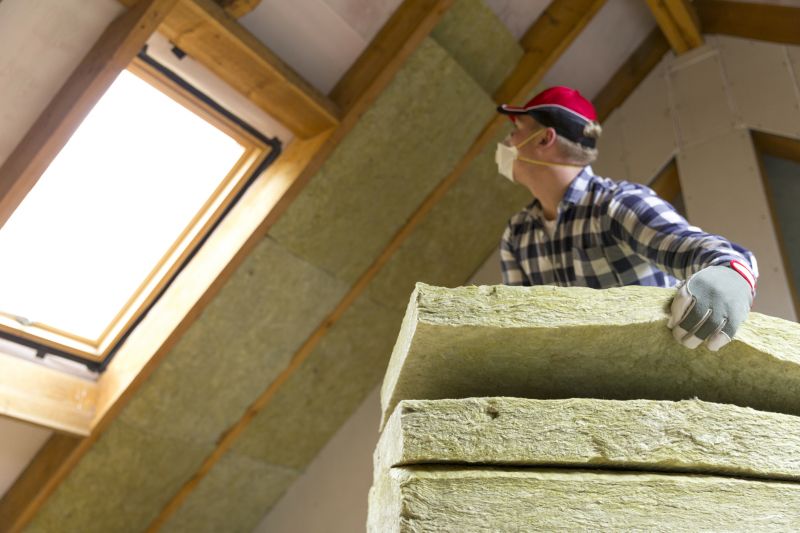
Understanding the difference between insulation types and materials is essential for property owners considering upgrades or repairs. When planning an insulation project, many individuals seek information on which options are best suited for their specific needs, whether it's improving energy efficiency, reducing noise, or preparing a space for new construction. Local contractors can provide valuable guidance on the various insulation materials available, such as fiberglass, foam, or cellulose, and explain how each type performs in different areas of a property. This knowledge helps property owners make informed decisions about selecting the right insulation to meet their goals.
Property owners often look up this topic to better understand how different insulation materials and types can impact their home's comfort and utility bills. They may want to know which options are easier to install or more durable over time. Local service providers can assist by evaluating existing insulation and recommending suitable materials and installation methods based on the specific characteristics of the property. Consulting with experienced contractors ensures that the chosen insulation type aligns with the property's needs, providing effective thermal management and long-term value.
What is the difference between insulation types and materials? Insulation types refer to the categories based on installation method or location, such as batt, spray foam, or blown-in. Materials are the specific substances used, like fiberglass, foam, or cellulose. Local contractors can help determine the best combination for your needs.
How do insulation materials affect the effectiveness of insulation types? Different materials have varying R-values, durability, and installation requirements, which influence how well an insulation type performs. Local service providers can advise on the most suitable materials for each insulation type.
Can different insulation materials be used within the same insulation type? Yes, multiple materials can be used within a specific insulation type, depending on the application. For example, spray foam can be made from different formulations. Local pros can recommend the best materials for your chosen insulation type.
Why is it important to choose the right insulation material for a specific type? The right material ensures optimal thermal performance, longevity, and proper installation. Local contractors can evaluate your space and suggest the most appropriate materials for each insulation type.
How do insulation types impact the installation process and materials used? Some insulation types require specific installation methods and compatible materials, affecting labor and material choices. Local service providers can handle the installation and help select the best materials for each insulation type.
Understanding insulation types helps property owners choose the best materials for specific areas, such as attics or basements, with the help of local contractors.
Comparing insulation materials allows homeowners to select options that suit their comfort needs and building structure, supported by local service providers.
Knowing the differences in insulation types and materials can guide property owners in making informed decisions for energy efficiency projects with local contractors.
Evaluating insulation options enables property owners to plan upgrades that improve indoor comfort, with assistance from local pros experienced in various insulation materials.
If you are thinking about the difference between insulation types and materials for a property, this guide is meant to help you understand this topic, the typical project types, and how different options might fit your plans.
When you are ready, you can use the quote form on this page to share a few details about your project. From there, local pros can review the basics and follow up with options that match what you have in mind.